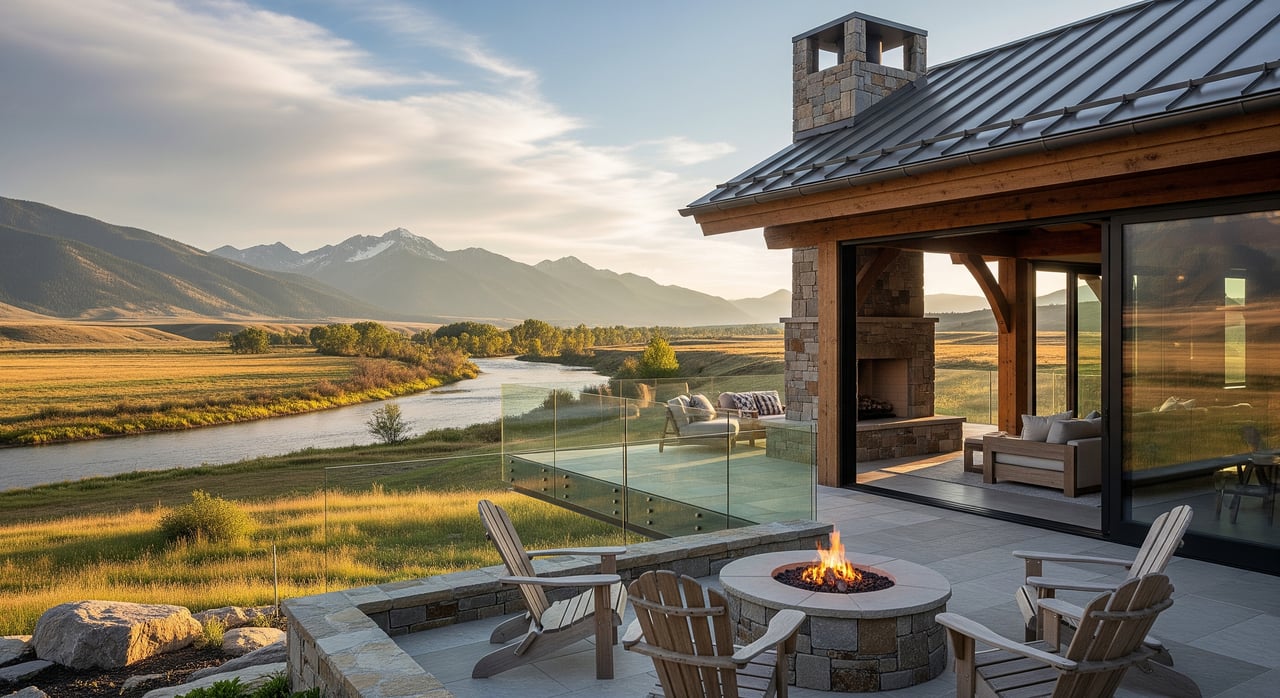
Stevensville vs Florence Living: Which Fits Your Lifestyle?
January 1, 2026
January 1, 2026
Are you trying to choose between Stevensville and Florence for your Montana move? You’re not alone. Both communities sit in the Bitterroot Valley and offer quiet living, river access, and big-sky views, yet the day-to-day feel can be very different. In this guide, you’ll see how lot sizes, amenities, outdoor access, commute factors, and due diligence items compare so you can match your lifestyle to the right place. Let’s dive in.
Both Stevensville and Florence are communities in Ravalli County along the Bitterroot River corridor. The region blends agricultural land, small towns, and foothills that lead into national forest. Outdoor recreation and rural living are central to life here.
Stevensville reads as a historic small town with an identifiable main street, community institutions, and a mix of older homes and newer subdivisions. Florence tends to feel more rural and lower density, with pockets of riverfront and larger-lot properties. Services and downtown amenities are more limited in Florence, and many residents head to nearby towns for shopping and appointments.
Stevensville offers a more defined downtown with local businesses, public buildings, and community gathering spots. Sidewalks and crosswalks in the core make short trips to shops and services more practical. If you like a small-town center and regular community rhythms, this often fits.
Florence commonly features larger parcels and a more rural pattern. You may find properties that allow accessory structures and room for hobby use, depending on county rules. Day-to-day errands can involve longer drives, but the tradeoff is space and privacy.
You can find a mix in both places: newer subdivisions on town-scale lots in Stevensville and select smaller-lot pockets in or near Florence. Your choice will hinge on how you balance convenience, space, and the character of each neighborhood.
Lot size and land use shape privacy, maintenance, and what you can build. In and near downtown Stevensville, many homes sit on town-scale parcels, with some newer subdivision lots as well. Around Florence, you’ll see more rural patterns and larger lots in many areas. Always verify what the current zoning allows on a specific parcel.
Utilities differ by location and can affect both budget and future plans. Parts of Stevensville’s core are more likely to have municipal water and sewer service. Outside town areas and in much of Florence, properties commonly rely on wells and septic. Confirm service boundaries and any utility extensions with local providers and Ravalli County before you offer.
For land or build scenarios, ask about subdivision rules, minimum lot sizes, and any rural cluster developments that could affect density. Zoning and subdivision decisions sit with Ravalli County for many properties, and rules can vary by district. If you want the option for a guest house or shop, get clarity on what is permitted on the exact parcel.
Both communities sit near the Bitterroot River, which is a lifestyle anchor for fishing, floating, and wildlife viewing. You’ll find public fishing access sites and boat ramps across the valley, though the exact distance from a given home varies. Confirm whether access is public, private, or via easement before you plan regular put-ins.
Trails range from in-town paths to routes leading into the Bitterroot National Forest. Surfaces can include both paved and unpaved options. If you are a walker, cyclist, or equestrian, map your typical outings against trailheads and parking areas you plan to use.
Seasonal conditions matter. Spring runoff affects flow, and management activities can create temporary trail closures during wildfire season. If you’re considering riverfront or riparian parcels, review county floodplain maps and setbacks to understand building limits and insurance needs.
Day-to-day life feels different depending on how close you are to essentials. Stevensville has a more established downtown with local businesses, and you can expect a wider mix of shops and services in town. In Florence, options are more limited within the community itself, so residents often drive to neighboring towns for groceries, health appointments, and other errands.
Schools, libraries, and community facilities are present in the valley. Keep in mind that school district boundaries and distances can affect your routine. When you tour, look at sidewalk coverage, crosswalks, parking, and how comfortable it feels to get around on foot for short trips.
Public safety is provided through municipal and county services, along with local fire districts. If response times or insurance ratings matter for your property type, ask your agent to confirm jurisdiction and station proximity for a specific address.
Many residents commute along the north–south corridor that connects valley towns with Missoula and, in the other direction, to additional Bitterroot communities. Winter weather and periodic construction can affect travel times, so consider your tolerance for seasonal conditions and early departures.
Public transit options are limited across rural areas. If you plan to telework, check broadband availability and cell coverage at the address. Coverage can vary by provider, and speeds may differ even between nearby properties. If reliable connectivity is essential, make address-level verification part of your offer contingencies.
Housing types vary across both communities. In Stevensville, you’ll see historic homes near the core, single-family houses on town lots, and newer subdivisions. In and around Florence, you’ll encounter acreage properties, manufactured homes, and pockets of riverfront or view parcels, alongside conventional single-family homes.
Prices, days on market, and inventory shift by segment and season. Rather than rely on outdated averages, request a current, date-stamped data brief for the exact property type and location you’re targeting. That includes recent sold comps, median price per square foot, and time-on-market trends for the past 12 months.
If you’re weighing tradeoffs, we recommend reviewing price bands by lot size. For example, town-lot homes often cluster in one range, while larger acreage and river-adjacent properties trend higher. Ask for a side-by-side with sample closed listings that match your criteria so you can see how far your budget goes in each community.
When you shop near the river or in forest-adjacent areas, plan for a thorough review of environmental factors. Floodplain status can affect insurability and financing. Wildfire risk is a reality across the region, and mitigation plans can influence both safety and insurance costs.
Outside municipal service areas, wells and septic systems require careful evaluation. Confirm well output and water quality, septic permitting, and any limits on accessory dwellings or guest houses. If you plan future improvements, review county building permit timelines and fees and ask about any special assessments or road maintenance agreements.
You may favor the community that minimizes your daily drive and offers reliable winter maintenance on key arterials. Quick access to basic services for weeknights helps too. Ask for a commute test during typical rush-hour windows before you decide.
If you value walkability to shops and community events, the town with an established main street and nearby schools usually wins. Tour during after-school hours to see traffic patterns and how people use public spaces.
If you want room for barns, equipment, or a garden, focus on areas with larger parcels and zoning that allows the uses you need. Confirm water rights or irrigation access where relevant, and consider the extra time required for maintenance.
If your top priority is fishing or floating, map public access points, verify parking and seasonality, and weigh floodplain considerations for any riparian properties. Consider carry distance for boats and how often you plan to be on the water.
If you want a smaller yard and quick access to errands, lean toward homes on town lots and established neighborhoods. Proximity to clinics and community facilities can make a meaningful difference.
Use this simple checklist to narrow your fit:
We build a side-by-side data brief that reflects your exact price range, property type, and timing. You’ll get recent comps for both communities, a map of public river access points and trailheads, utility and service-area confirmations, and a due diligence outline for wells, septic, floodplain, and wildfire. We also preview listings and set up route-based tours so you can feel the commute, the neighborhoods, and the lifestyle before you choose.
Ready to see which community fits you best? Start a conversation with Crystal Ault and we’ll tailor the search to your life.
Stay up to date on the latest real estate trends.
Get assistance in determining current property value, crafting a competitive offer, writing and negotiating a contract, and much more. Contact me today.