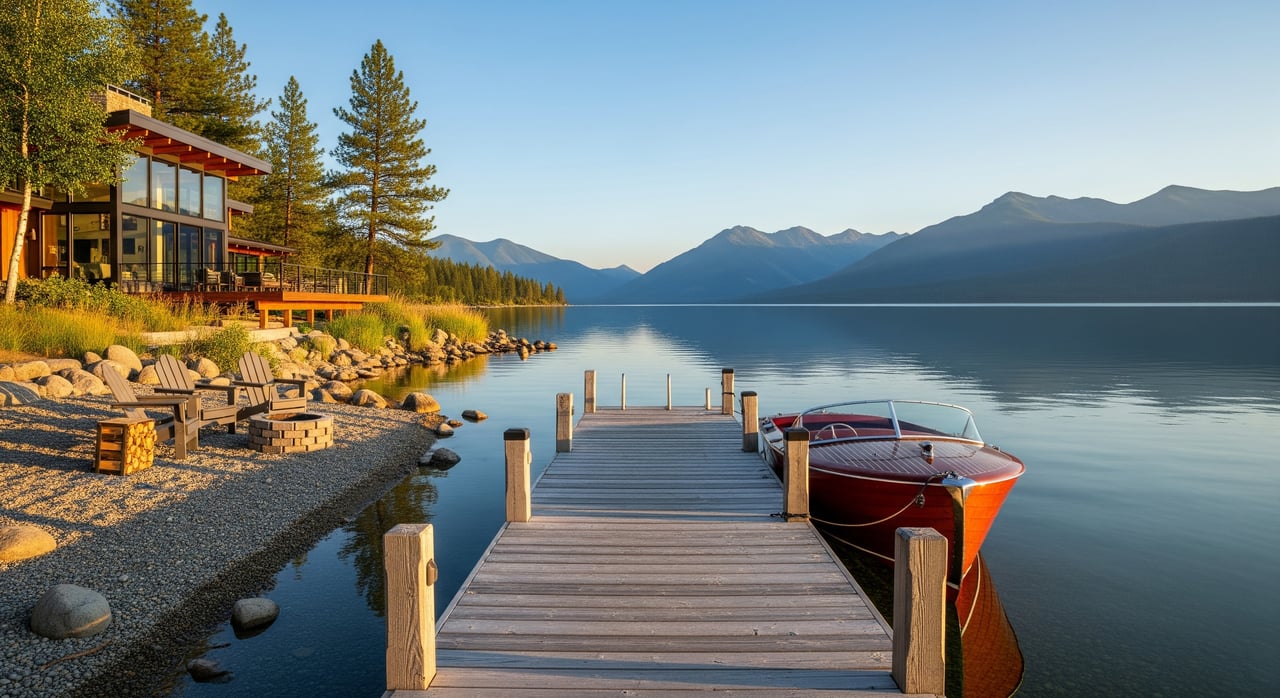
Living in Polson MT: Essential Flathead Lake Life
December 4, 2025
December 4, 2025
Thinking about trading city noise for the sound of waves on Flathead Lake? If Polson is on your shortlist, you are not alone. Many buyers fall in love with the views, the pace, and the small‑town conveniences that make lake living feel easy. In this guide, you will learn the essentials that shape daily life here, from seasons and shoreline rules to access, housing, and commuting. Let’s dive in.
Spring brings thaw and rising activity. Boat ramps and marinas start opening, and seasonal businesses return on variable schedules. Expect mixed weather in April and May, then more consistent days by June.
Mid‑June through September is peak season. You will see busy public launches, state park beaches, and marinas, especially on weekends. Popular choices include boating, paddleboarding, fishing, and lakeside dining. Warmest water is usually July and August.
After Labor Day, crowds thin and the shoreline gets quieter. You can still enjoy hiking, scenic drives, and crisp evenings. Many seasonal businesses scale back hours.
Winter is calm with lower tourism. You can find cross‑country skiing, snowshoeing, and careful ice fishing in some areas when conditions are safe. Large Montana lakes rarely freeze completely, so always check local conditions before venturing onto ice.
You will find city‑managed waterfront parks and picnic areas along Polson’s shoreline. Flathead Lake State Park operates several units around the lake with day‑use beaches, campgrounds, and boat ramps. Montana Fish, Wildlife & Parks and Lake County list public fishing access sites and launches in the area.
Public beaches and ramps fill fast on warm weekends. Parking and launch queues are common. If regular boating is part of your plan, owning lakefront property or securing a private slip can be a real lifestyle advantage.
Local marinas offer slips, fuel, and some launching, often with limits or fees. Policies can shift season to season. Verify access rules, parking, and hours before you commit to a routine.
Dock installation, repairs, shore stabilization, and similar projects typically require permits through Lake County or state agencies. Before you buy, request any existing dock or shoreline permits and ask about transferability.
Many lakeside homes rely on on‑site septic systems. County and state standards apply, and upgrades may be required for new construction or certain transfers. Ask for recent septic inspection reports and well water tests.
Montana actively manages aquatic invasive species. During high season, you may encounter boat inspection stations and other requirements. Plan for inspection time during busy summer travel days.
Shoreline setback rules and floodplain designations can influence where you build and what you can add. Confirm zoning, setbacks, and FEMA mapping as part of your due diligence.
Buyer checklist for the shoreline:
Downtown Polson is walkable and lively in summer, with casual restaurants, coffee shops, and lakeside spots. You will find supermarkets and local shops for everyday needs. Specialty shopping is more limited than larger hubs.
Polson offers local clinics and primary care services. For major hospital care or specialized providers, larger regional centers are your next stop. The local public school district serves K–12; confirm zoning and programs directly with the district.
Summer markets, fairs, and community events create a festive lakeside feel. Off‑season is quieter. If year‑round nightlife is a priority, consider your distance to larger towns for occasional trips.
Many buyers compare downtown Polson for walkability, lakeside pockets with variable public access, and outlying communities such as Finley Point and Big Arm, plus nearby towns like Somers, Ronan, and Pablo. Each has a different feel, commute, and access profile.
U.S. Highway 93 is the main north–south corridor along the lake. Many residents work locally in services, tourism, education, healthcare, or small business. Some commute to nearby towns or work remotely. Glacier Park International Airport in Kalispell and Missoula’s commercial airport are usually a 45 to 90 minute drive depending on start point and road conditions. If commuting matters, test drive your route during both peak season and winter.
Virtual tools help you evaluate properties from afar. Matterport 3D walkthroughs, drone videos, and high‑resolution photography can show shoreline, play space, and approach roads. Google Street View and satellite imagery add helpful context. County GIS, topographic tools, and FEMA flood maps are useful for assessing setbacks and potential hazards. If you need a closer look, we can coordinate on‑site video tours and a targeted list of homes that fit your access and permitting needs.
You should feel confident about lake life, not surprised by rules or seasonal realities. We help you align your goals with the right property by focusing on access, permits, septic, and everyday livability. From first consult to close, you get clear guidance, organized due diligence, and local insight you can trust. Ready to take the next step? Start a conversation with Crystal Ault to map your Montana road home.
Stay up to date on the latest real estate trends.
Get assistance in determining current property value, crafting a competitive offer, writing and negotiating a contract, and much more. Contact me today.