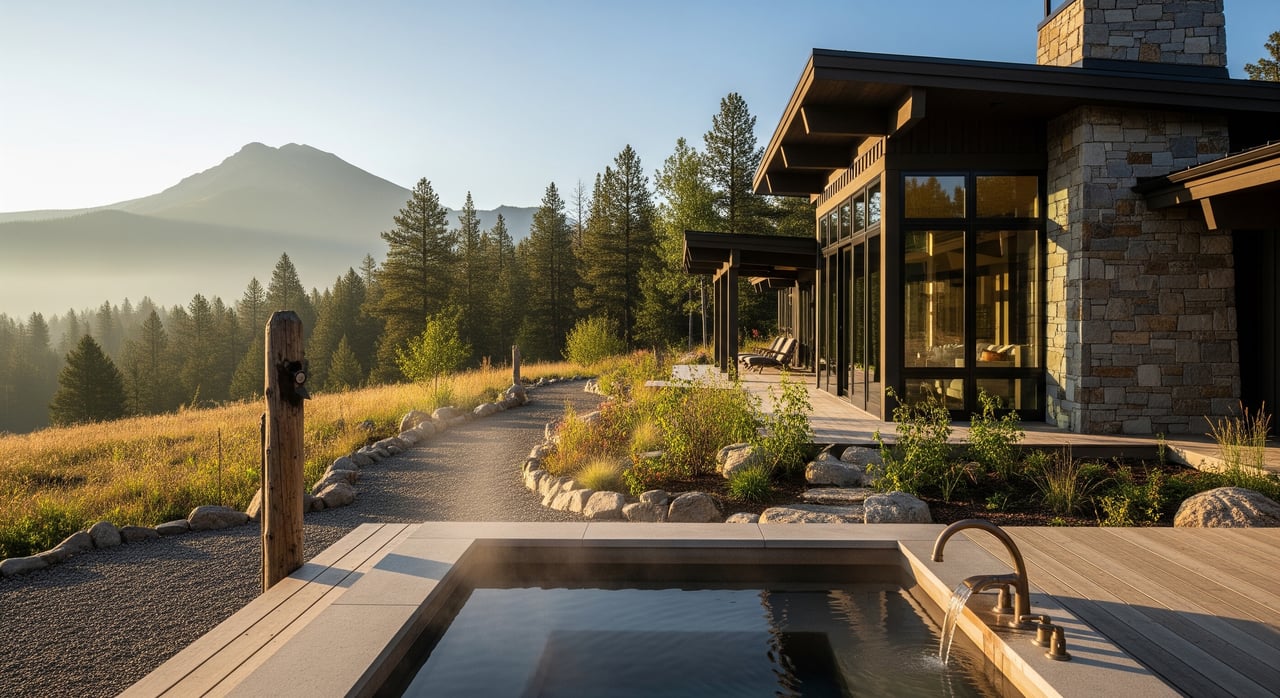
Living in Lolo Montana: Trails, Hot Springs & Ease
February 5, 2026
February 5, 2026
Dreaming of a place where you can soak in hot springs after a morning trail run and still reach Missoula for work and errands? If you want small-town ease with big outdoor access, Lolo might be on your radar. In this guide, you’ll learn what daily life looks like here: commute realities, trail and hot springs access, school options, housing and utilities, and seasonal factors. By the end, you’ll have a clear picture of whether Lolo fits your lifestyle. Let’s dive in.
Lolo sits just south of Missoula along the US 93 and US 12 corridor, close to the I 90 junction. You get a small community feel with quick reach to Missoula’s jobs, services, and cultural life. The area blends a village core with surrounding rural parcels and forested hillside properties.
If you want room to breathe, access to trails and rivers, and a practical drive into Missoula, Lolo offers a balanced option. Daily life is car oriented, and many residents plan activities around the outdoors and community events.
Driving is the primary way people get around. US 93 and US 12 are the main routes into Missoula and beyond. Many residents plan for roughly 15 to 30 minutes to reach most parts of Missoula, but times vary by exact address, peak traffic, and weather.
Winter can slow travel. Snow and ice, reduced visibility, and occasional lane restrictions can add time. Wildfire smoke in late summer can also affect visibility. If a smooth commute matters, test your route during peak hours and in winter conditions before you buy.
Public transit coverage is limited compared with Missoula’s urban core. Mountain Line is the local transit authority, and there may be commuter or park-and-ride options, but most Lolo residents rely on personal vehicles. Biking to work is possible for fitness-oriented riders, yet highway shoulders and distances can make it a niche choice.
Outdoor recreation is a big part of Lolo’s appeal. You’ll find hot springs, trail networks, rivers, and winter sports within a short drive.
Lolo Hot Springs is the area’s primary soaking spot. It’s a popular day trip and overnight choice for locals who want a quick reset. If hot springs are a must-have, consider how close you want to live to the resort, and plan around busier weekends and seasons.
Lolo is a gateway to public lands, including trailheads into the Lolo National Forest. You can explore day hikes, trail running routes, and mountain biking single-track, with areas like Blue Mountain and nearby ridgelines offering varied terrain. Be aware of trailhead parking, spring mud, and seasonal closures.
Local rivers and creeks offer fishing for trout, along with floating and paddling when conditions allow. Many residents structure their weekends around morning hikes, an afternoon on the water, and a soak in the evening.
Cross-country skiing and snowshoeing are accessible within a reasonable drive, and regional downhill ski areas are close enough for day trips. Snow depth and conditions vary by elevation and year, so flexibility is key.
Lolo-area students attend public schools administered within Missoula County. Elementary and middle school options are in or near the community, while high school students often travel to regional high schools. Because assignments can vary by address, confirm school boundaries early in your search with the district.
Missoula offers more private, charter, and specialized programs, so some families commute for specific offerings or activities. For higher education, the University of Montana in Missoula provides classes, cultural events, and employment opportunities.
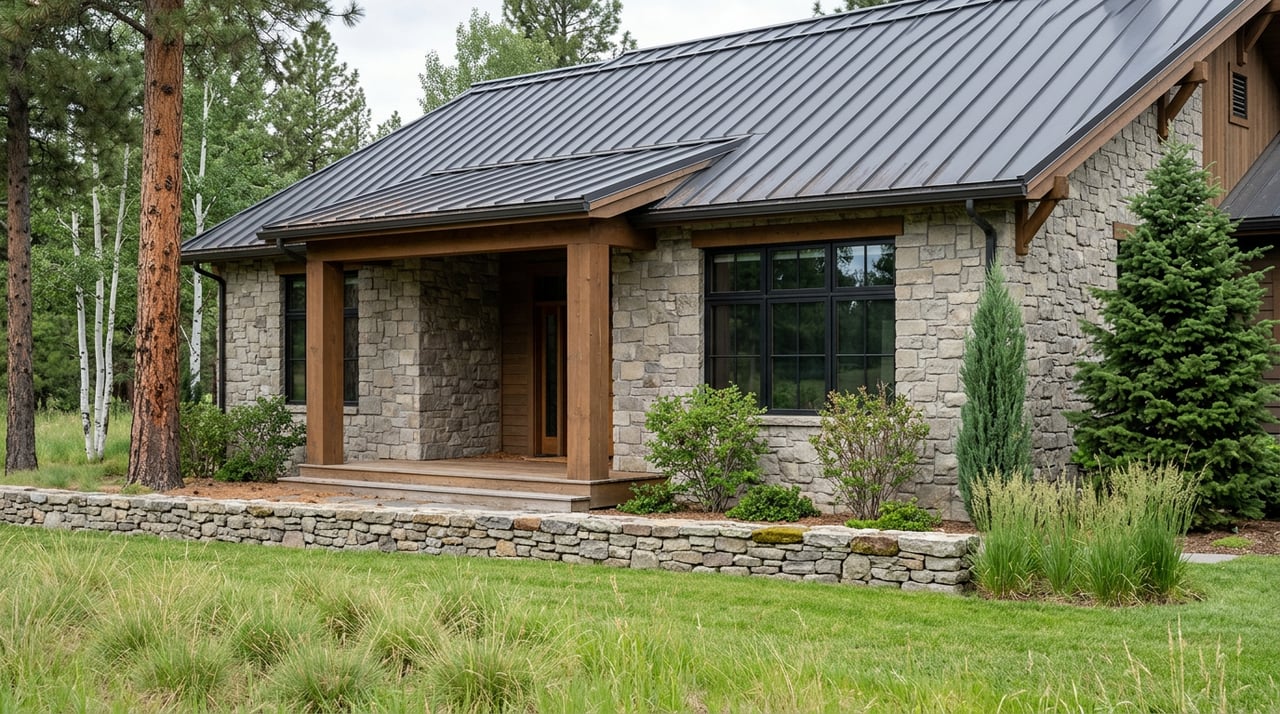
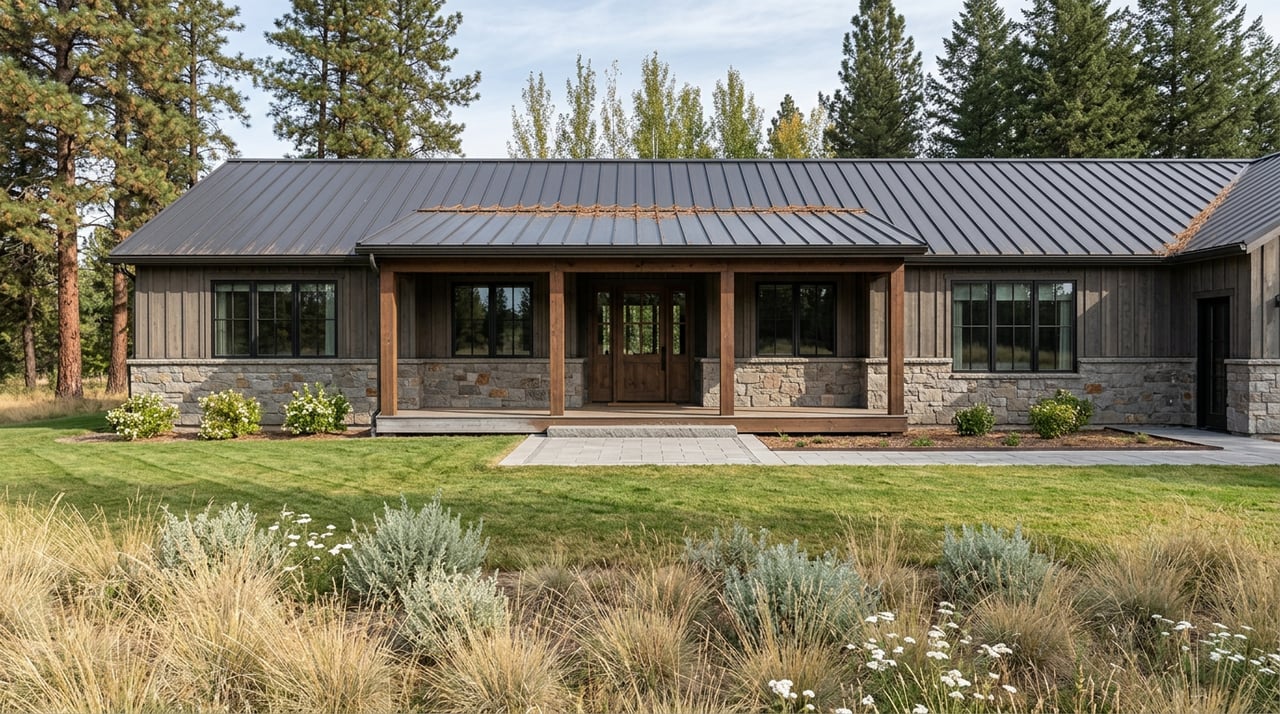
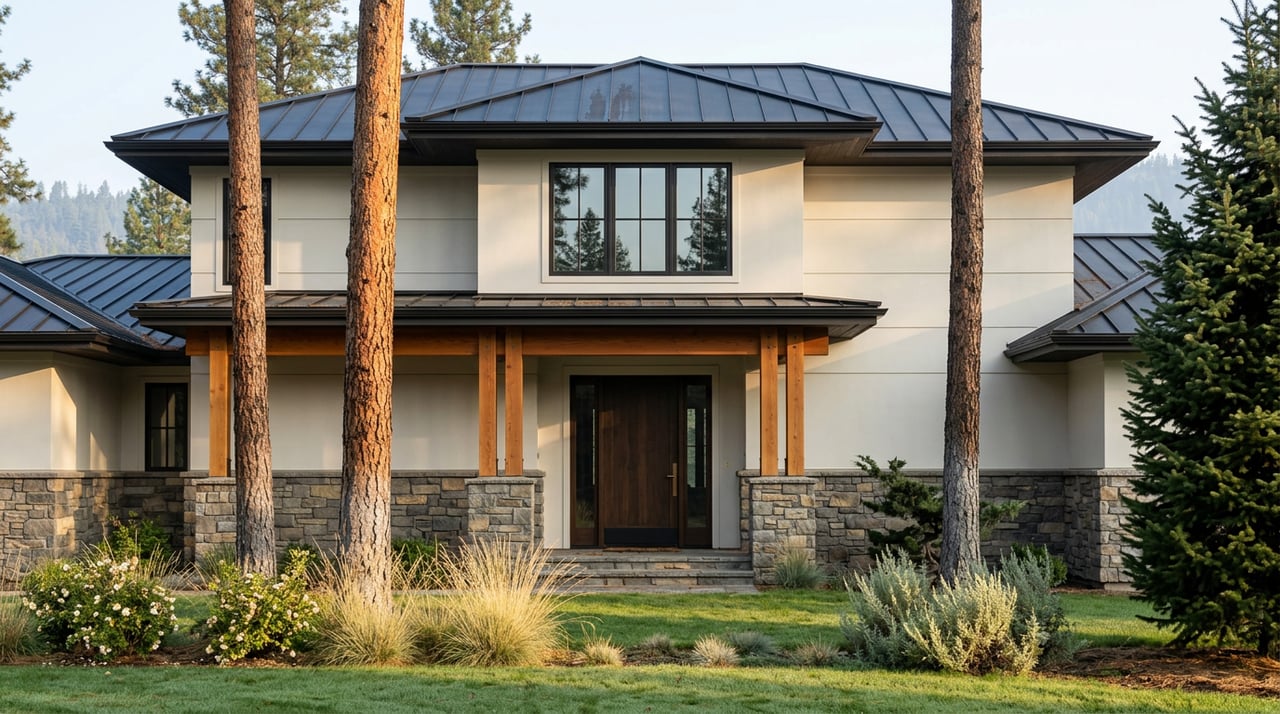
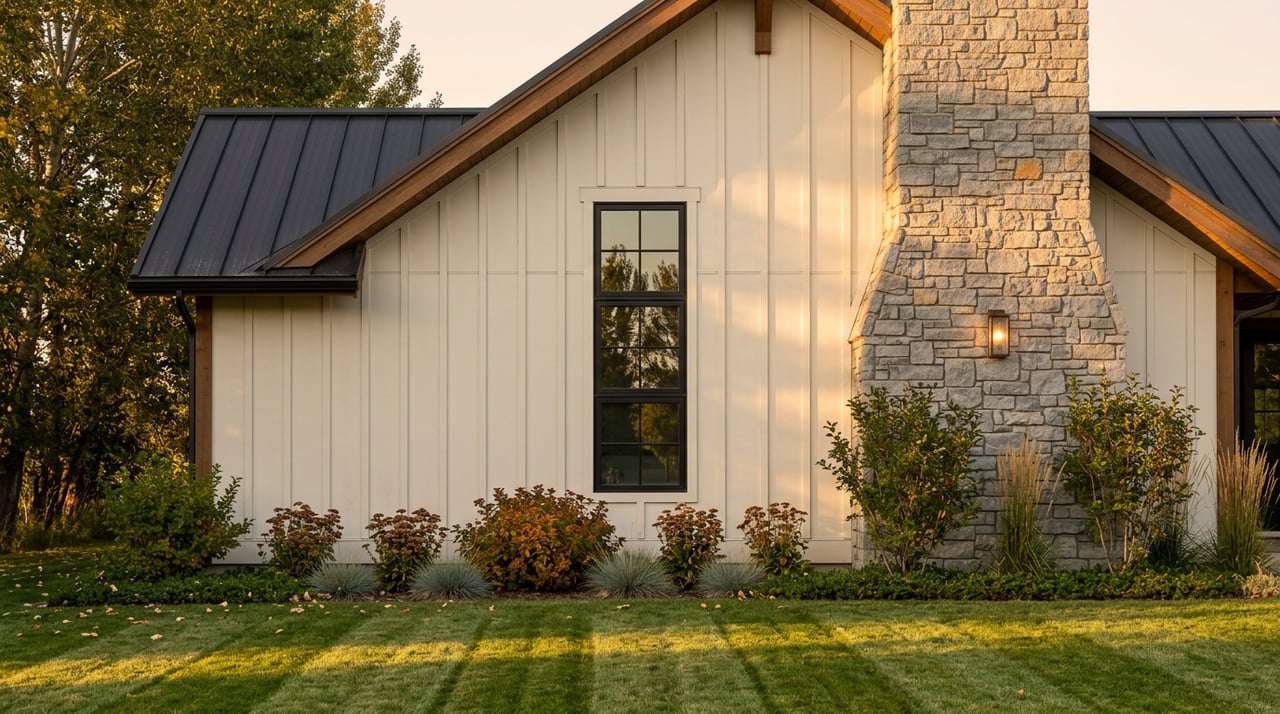
You’ll find a range of home types in Lolo: single-family houses with ranch or cabin character, manufactured and mobile homes, and newer custom builds. Near the village core, lots tend to be smaller with closer spacing. Just outside town, parcels often increase in size and privacy.
Lot sizes can range from fractional acres in-town to 5 to 40 acres or more in the surrounding valley and hills. If you want acreage, Lolo is a strong candidate. Check county zoning and subdivision rules for minimum lot size, permitted uses, and building setbacks.
Utilities vary by location. Properties near the core may have municipal water and sewer. Many rural parcels use private wells and septic systems, so plan for inspections and maintenance. Natural gas service can be limited in some areas. Many homes heat with propane, fuel oil, or wood and wood-pellet systems.
Internet options are not uniform. Depending on the address, you may see DSL, fixed wireless, cable or fiber in certain areas, and satellite providers such as Starlink. If reliable internet is essential, confirm your options before making an offer.
Lolo has local businesses for everyday needs, including groceries, cafes, restaurants, a post office, and service shops. For large-format retail, specialty shopping, and most cultural venues, you’ll head to Missoula.
Healthcare access is strong in the region. Major hospitals and specialist care are in Missoula, such as St. Patrick Hospital and other providers. Local clinics may handle routine needs, but plan on driving for urgent or specialized care. Law enforcement and public safety are managed by the Missoula County Sheriff and county services, with volunteer fire coverage in rural areas. Response times can vary by location.
You’ll experience four distinct seasons. Summers are warm and ideal for hiking and river days. Winters bring cold, snow, and shorter daylight, which affect commuting and home maintenance.
Wildfire season, typically in late summer, can bring smoky days and air quality concerns. If you buy in forested or rural areas, consider defensible space and ember-resistant details, and review insurance options. Low-lying and riparian parcels can face spring runoff and flooding risks. Also, microclimates vary by elevation and slope aspect, so a north-facing hillside might hold snow and shade longer than a valley floor.
Use this quick list to focus your due diligence:
If you want small-town pace with quick access to Missoula, plus hot springs, trails, and rivers close at hand, Lolo delivers. You trade a city address for more space, a car-first lifestyle, and some seasonal tradeoffs. Many buyers feel the access to public lands and the chance to own acreage make that trade worthwhile.
If you’re curious about specific neighborhoods, utilities, or acreage options, we can help you compare properties and plan a smooth purchase. Start your Montana road home and book a consultation with Crystal Ault.
Stay up to date on the latest real estate trends.
Get assistance in determining current property value, crafting a competitive offer, writing and negotiating a contract, and much more. Contact me today.