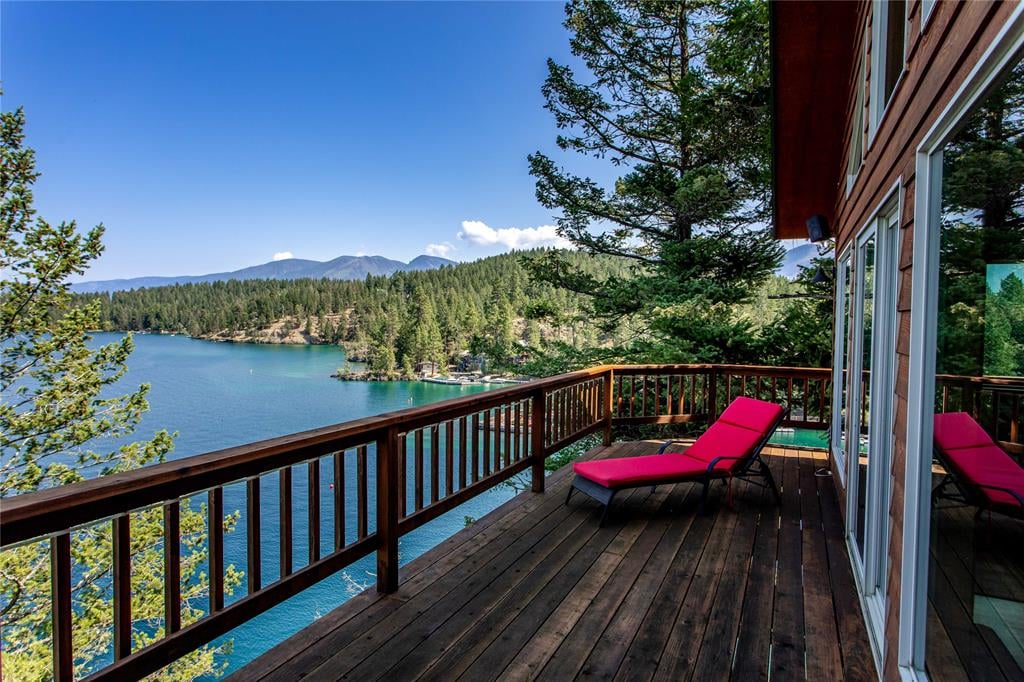
Polson Montana Waterfront Homes: Buyer’s Guide
April 2, 2026
April 2, 2026
Dreaming about a home on Flathead Lake? In Polson, “waterfront” can mean very different things, and that difference can shape your budget, your lake access, and how you use the property year-round. If you want to buy with confidence, it helps to understand how shoreline type, dock rules, seasonal water levels, and utility details all fit together. Let’s dive in.
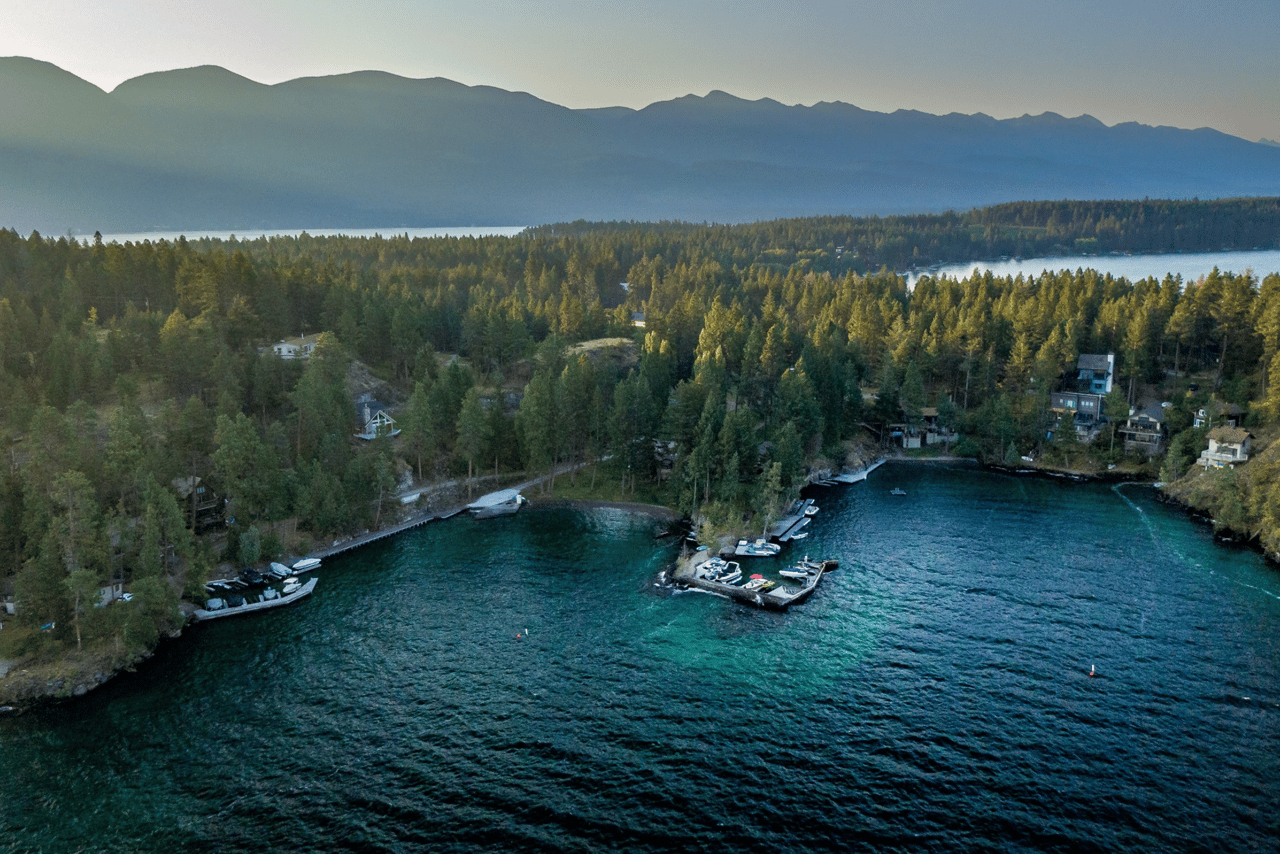
Polson sits at the south end of Flathead Lake, which the city describes as the headwater to the Flathead River. That setting gives you a wide range of waterfront options, from in-town access properties to premium direct-lakefront homes with expansive views and private shoreline character.
The market also covers a broad price range. Current portal data shows the broader Polson market in the mid-$500,000s, with Zillow reporting an average home value of $541,265 and a median list price of $576,333 as of January 31, 2026. On the waterfront side, Redfin shows 34 waterfront listings at a median listing price of $500,000 and 128 days on market, which suggests buyers often have time to compare options carefully.
Before you fall in love with a view, make sure you understand what kind of access you are actually buying. In Polson, terms like direct waterfront, deeded access, and community access do not describe one standard package of rights.
A current deeded-access listing on US 93 describes lake access across the highway with a shared boat ramp and beach. A Mission Bay Preserve listing describes private Flathead Lake access with a large beach for owners and shared recreation amenities. In other words, the listing label is only the starting point.
Direct waterfront usually means the parcel has actual frontage on the lake. That can affect everything from privacy to dock potential to the way you step from the house to the shoreline.
County rules make ownership rights especially important here. According to Flathead County lakeshore regulations, waterfront property owners have riparian rights to lake access, while easement holders are not eligible to apply for a lakeshore construction permit.
Deeded access can still be appealing, especially if you want a lower entry point into the Flathead Lake lifestyle. But you should confirm exactly where the access is, how it is shared, and what use rights come with it.
For example, a deeded-access home may offer a shared ramp and beach, but the access might not sit directly beside the home. That can change your day-to-day experience more than buyers expect.
Community-access homes often come with shared amenities, and sometimes that can be a strong value play. You may gain use of a beach, dock area, clubhouse, or other facilities without paying direct-waterfront pricing.
The tradeoff is that these properties often come with HOA dues and rules. One current access home shows a $100 annual HOA, while a Mission Bay Preserve listing included quarterly dues and amenities such as a clubhouse, fitness center, pool, playground, and snow services.
Not all shoreline feels the same once you arrive in person. In the Polson area, frontage ranges from sheltered coves to high-bank parcels, and that physical difference can affect how you use the property.
One recent Flathead Lake listing near Finley Point advertised 151 feet of sheltered frontage with a boat-launching ramp and two-slip dock. Another east-shore parcel near Yellow Bay described 623 feet of high-bank shoreline with upland space for septic and drainfield use.
Sheltered frontage can be attractive if you want easier access to the water for swimming or boating. It may also support existing shoreline improvements that shape a more plug-and-play lake experience.
That said, you still need to verify permit status, water depth, and the exact condition of any dock or ramp. The shoreline may look simple on a sunny afternoon, but the legal and seasonal details matter.
High-bank parcels often deliver dramatic views and a sense of separation from neighboring properties. For some buyers, that visual payoff is exactly what makes a lake property feel special.
The tradeoff can be convenience. A parcel with steep or elevated shoreline may not offer the same easy path to day-to-day water use, and future improvements may be more limited by topography and county rules.
In waterfront real estate, what you can build matters almost as much as what already exists. Around Flathead Lake, county rules are a key filter for buyers.
Flathead County defines the lakeshore protection zone as land within 20 horizontal feet of the lake perimeter at mean annual high water. According to the county’s lakeshore information page, work on or disturbance of the lake, lakebed, or lakeshore generally requires a Lakeshore Construction Permit.
A 60-foot dock is allowed only when there are five feet of water depth at the dock end at mean annual high water. If the depth is less, extra length may be allowed up to 100 feet, but the site may still be considered unsuitable for dock construction.
That means a dock-friendly listing is not just about frontage length. Water depth at the right season matters, and a showing alone may not tell you the full story.
County regulations state that only one dock is allowed per waterfront property ownership, and shared shoreline docks are encouraged. If you are looking at a shared-access property or a parcel with multiple neighboring users, this is a detail worth clarifying early.
The same regulations also note that easement holders are not eligible to apply for a lakeshore construction permit. If your lake use depends on shared or non-frontage rights, ask how those rights are documented and managed.
Private boat ramps are not allowed within one lake mile or three driving land miles of a public boat ramp. If a ramp is important to your buying decision, verify whether the existing setup is permitted and whether future changes are possible.
The county also asks owners to inspect and disinfect used docks, buoys, and shore stations before installation to help reduce aquatic invasive species risk. That is a practical detail, but it also reflects the stewardship mindset that comes with buying on Flathead Lake.
A waterfront showing in spring may feel very different from one in midsummer. Flathead Lake operates on a seasonal schedule, and that changes shoreline width, water depth, and dock usability over the course of the year.
According to the Flathead co-management plan, the lake is at low pool by April 15, refills to 2,890 feet by May 30, reaches full pool at 2,893 feet by June 15, and remains at full pool through Labor Day.
Some boat rail systems may also need seasonal removal to avoid ice damage. For you as a buyer, the takeaway is simple: ask how the property functions in early spring, at summer full pool, and during winter conditions.
Waterfront ownership brings a different risk profile than many inland homes. Even if a home has beautiful frontage and strong access, you should still ask whether any portion of the property sits in a floodplain.
Flathead County notes on its floodplain information page that flooding is not covered by standard property insurance. Flood insurance is available for insurable structures in the county, so this is a question to raise before you get too far into negotiations.
In and around Polson, utility service can vary more than buyers expect. One current access home uses a well and septic tank, while a Polson Bay lot notes city water and sewer available at the street.
The City of Polson water and sewer page says the city currently has excess water supply, but that does not mean every lake-adjacent property is already connected. If utilities matter to your plans, verify water source, sewer or septic setup, and any available records before moving forward.
A strong waterfront search starts with better questions. In Polson, these details can save you time and help you compare listings more accurately.
Ask about:
The best Polson waterfront purchase is not always the one with the biggest view or the longest shoreline. It is the one that matches how you actually want to live on the lake, with clear access rights, realistic improvement options, and a shoreline you understand in every season.
If you are comparing direct waterfront, deeded access, or community-access homes in Polson, local guidance can help you read past the marketing language and focus on what truly affects value and use. When you are ready to sort through the details, connect with Crystal Ault for thoughtful guidance on finding the right Montana waterfront fit.
Stay up to date on the latest real estate trends.
Get assistance in determining current property value, crafting a competitive offer, writing and negotiating a contract, and much more. Contact me today.