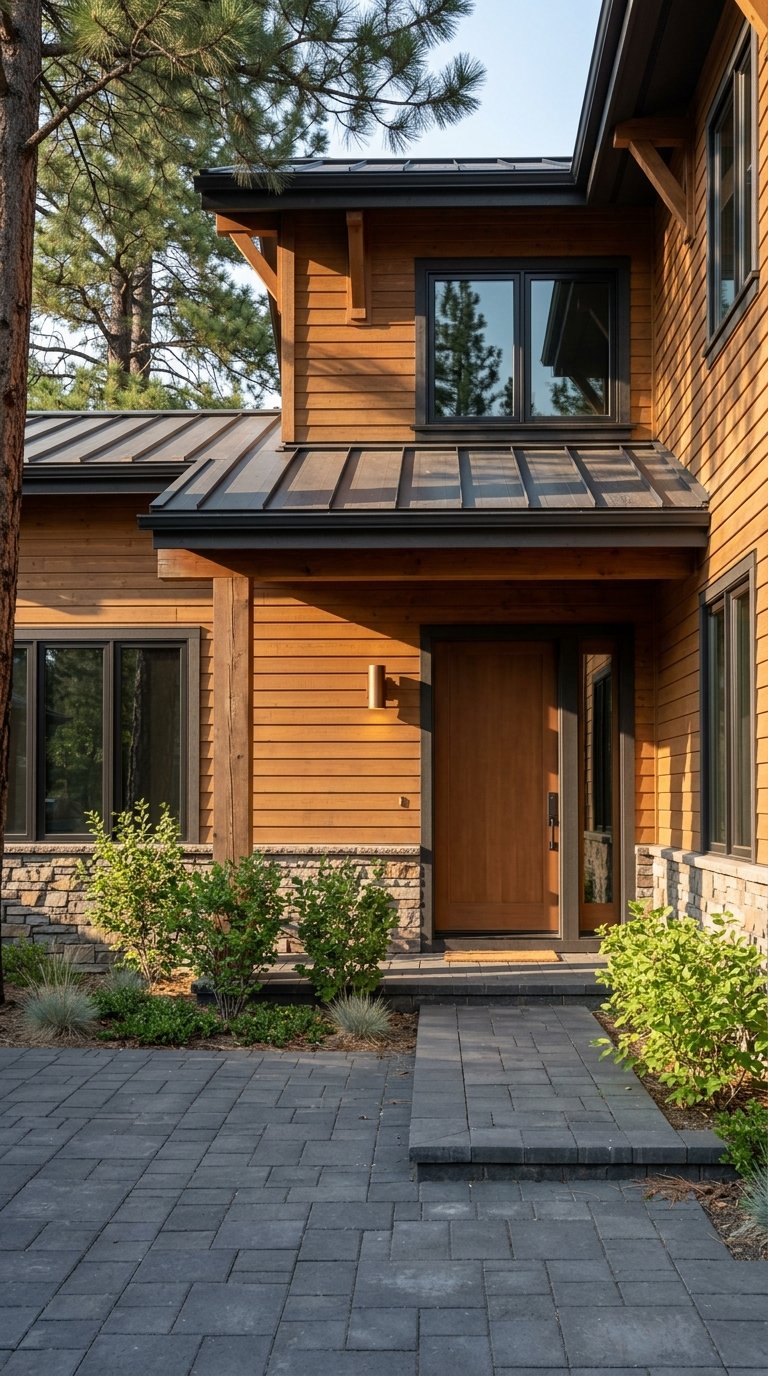
Bigfork Condos vs Cabins: How to Choose Your Lake Base
May 21, 2026
May 21, 2026
Dreaming about a place near Flathead Lake but torn between a low-maintenance condo and a classic Montana cabin? In Bigfork, that choice is about more than style. It shapes how often you can visit, how much upkeep you will manage, and whether the property fits your plans for personal use or rental income. If you want a lake base that supports your lifestyle instead of complicating it, the right questions can make the decision much clearer. Let’s dive in.
Bigfork is not just another mountain town. It sits on Bigfork Bay along Flathead Lake, and the area is closely tied to recreation, waterfront living, and second-home ownership. Bigfork is also known for its arts-and-dining village feel, which adds to its appeal for buyers looking for a home base that balances lake access with an active town setting.
There is also an important local detail many buyers miss early on. Bigfork is an unincorporated community, and local matters are handled at the county level. A large portion of what people consider Bigfork falls within Lake County, while other properties are in Flathead County, so the parcel’s county can affect the rules that apply.
That means your choice between a condo and a cabin should start with how you plan to use the property. If you want something simple to lock and leave, one path may fit better. If you want more privacy, more land control, or room for future improvements, the other may be worth the extra responsibility.
In Montana, a condominium is made up of individual units plus common elements. A townhome can be structured differently, with separate title to the land beneath the unit and possible shared ownership of common areas and facilities. In both cases, the ownership structure matters because it affects maintenance, expenses, and day-to-day control.
For many buyers, the main appeal is simple. More of the exterior work and shared-space upkeep is usually organized through the association rather than handled by each owner alone. That can make condos and some townhomes appealing if you want a true second-home setup with less hands-on management.
Montana law also requires project documents to address maintenance, repair, and payment for common elements. Owners are required to comply with the declaration, bylaws, and CC&Rs, and those documents can be enforced by the association or another owner. In practical terms, you need to read the documents carefully before you buy, not after.
If you live out of town or plan to use your Bigfork property seasonally, convenience matters. A condo can offer a simpler ownership experience because some routine maintenance is shared and organized through the association. That often means fewer moving parts when you are away.
This setup can be especially attractive if your goal is to arrive, enjoy the lake, and leave without worrying about exterior chores or larger shared systems. You may give up some privacy or flexibility, but you can gain ease and predictability. For many second-home buyers, that tradeoff is worth it.
Before you choose a condo or townhome in Bigfork, focus on the recorded documents and monthly costs. These details shape how the property will function in real life.
Key items to review include:
Montana law also provides an important protection for owners. An HOA may not impose more onerous restrictions on a member’s property use than what existed when the owner acquired the property unless the owner agreed in writing. The statute specifically includes renting within the types of use, which makes it especially important to confirm the rules in place at the time of purchase.
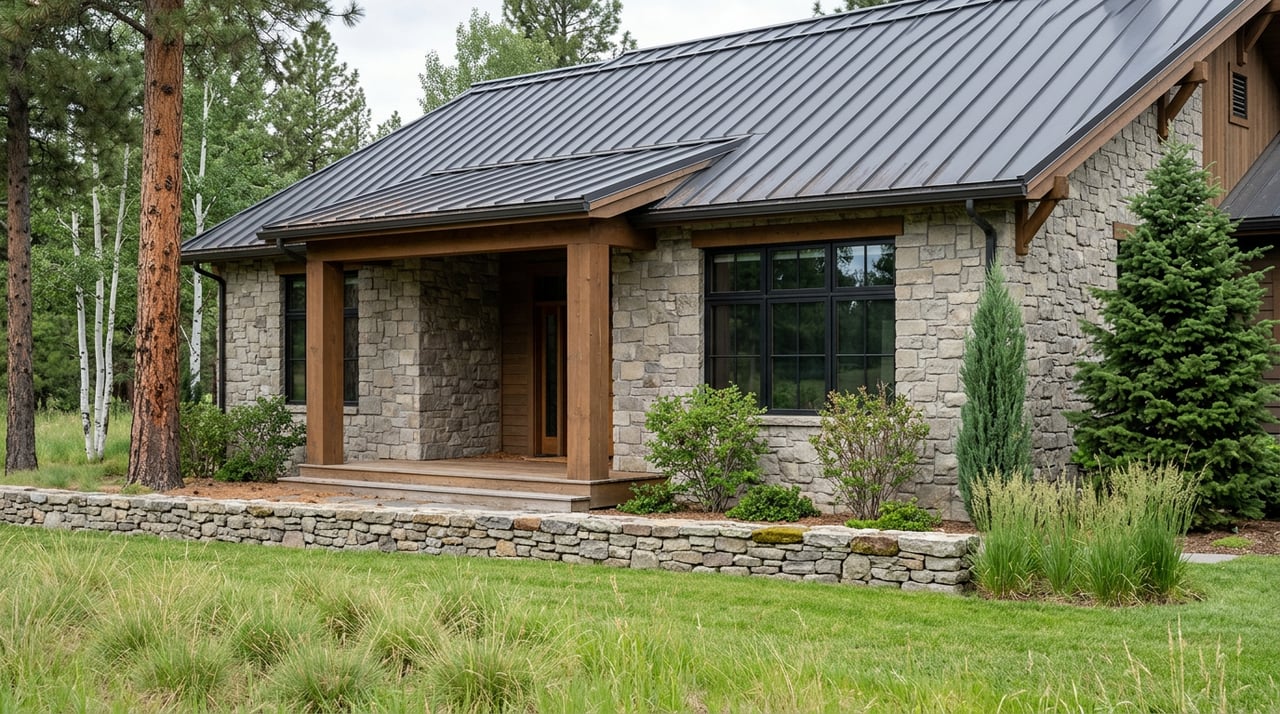
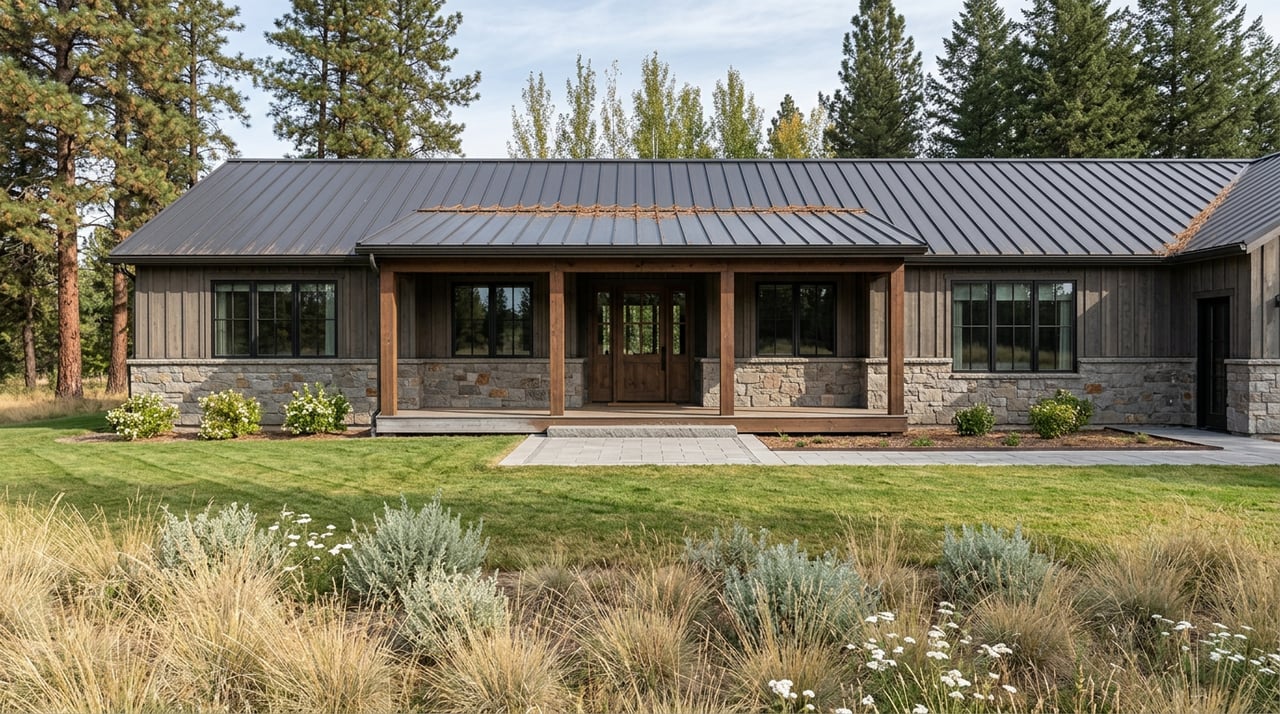
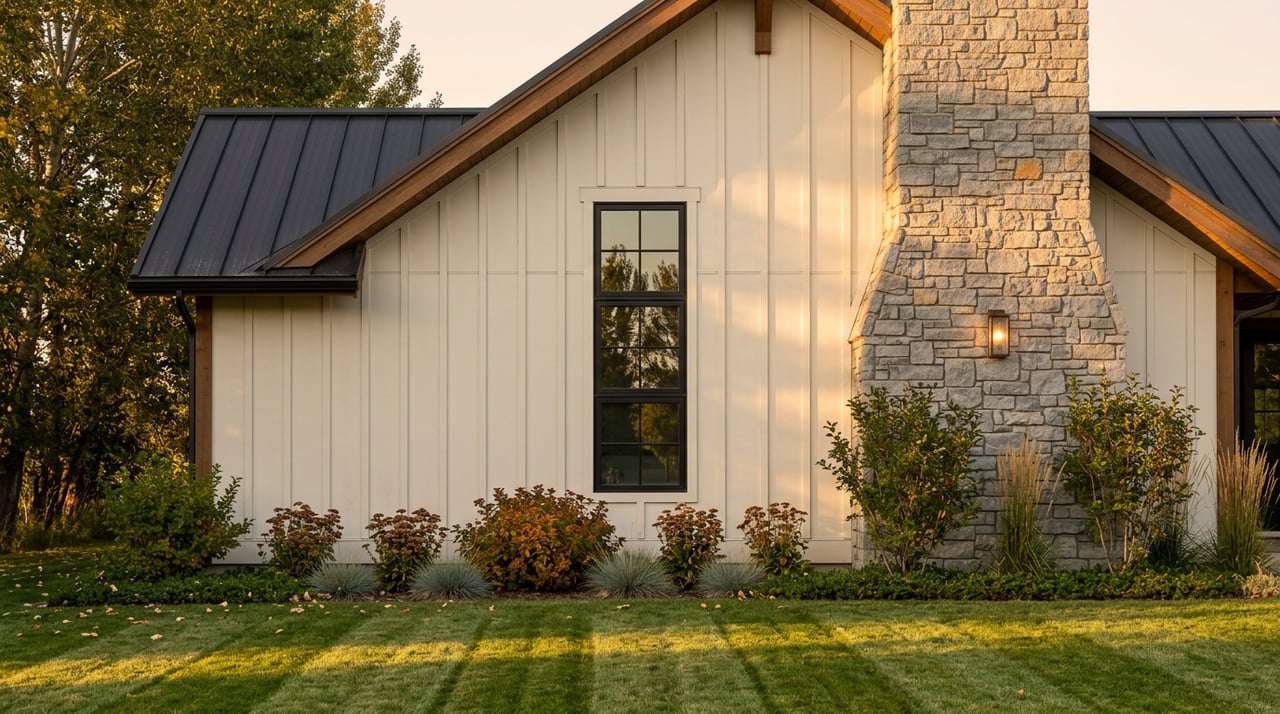
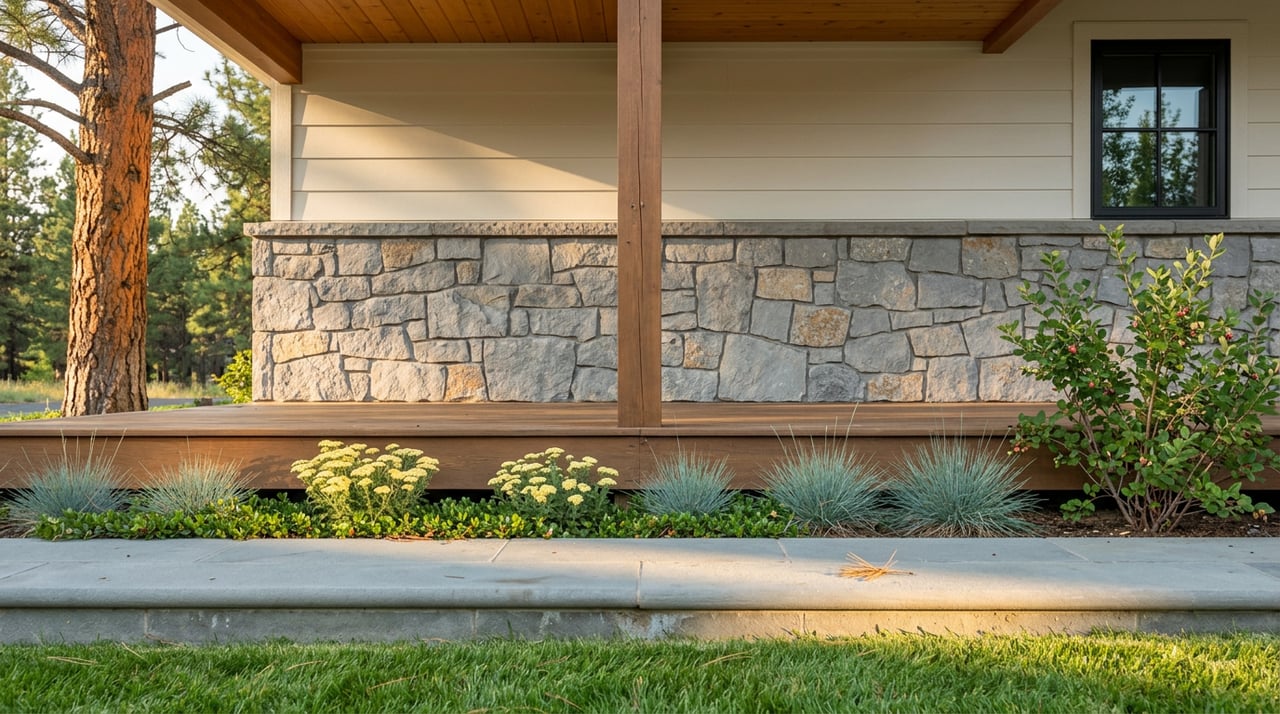
A cabin or detached home usually offers a different kind of ownership experience. You often get more privacy, more direct control of the lot, and fewer shared-wall or shared-parking compromises. If your picture of Montana living includes a freestanding home with outdoor space and a greater sense of separation, a cabin may feel like the better fit.
But greater control usually comes with greater responsibility. In the Bigfork area, that can mean paying closer attention to septic approval, water service, and any site-specific systems tied to the property. Those details are especially important if you are buying near the lake or planning to use the home part time.
For some buyers, that extra responsibility is a fair trade for privacy and flexibility. For others, it can become more work than expected. That is why your intended use should drive the decision.
If the property is on or near the water, due diligence becomes even more important. In Flathead County, the lake and lakeshore protection zone extends 20 horizontal feet from the lake perimeter. Any work on a lake, lakebed, or protection zone generally requires a lakeshore construction permit.
That matters if you are thinking about improvements such as shoreline work or other lake-related features. The county also advises that used docks, buoys, and shore stations should be inspected and disinfected before installation to reduce aquatic invasive species risk. So if the dream includes waterfront improvements, make sure you understand the permit path before you close.
Detached homes can also raise more infrastructure questions than condos. Flathead County says a vacation rental license can be issued for an existing home connected to city sewer or supported by a valid septic permit. If an owner wants to add a second dwelling and rent it as a vacation rental, the county looks at whether the property is approved for that second dwelling and whether the septic system is adequately sized.
Even if rental income is not your first goal, these details still matter. Septic capacity, water service, and site approvals can affect both current use and future flexibility. A beautiful cabin can be a strong fit, but only if the property systems support the way you want to use it.
If you want the property to help offset ownership costs, do not wait until after closing to check rental rules. In Bigfork, rental use can depend on both county requirements and property-specific restrictions. This is one of the biggest reasons parcel-level research matters.
In Flathead County, a short-term rental is a dwelling used for less than 30 days. Most zoned areas require an administrative conditional-use permit, along with a valid public accommodations license and other compliance materials in zones where short-term rentals are allowed. The county also states that short-term rentals are not allowed in some zones.
In the Lake County portion of Bigfork, the process can be different. Lake County advises vacation-rental owners to first ask Planning whether the subdivision or zoning district allows the use, then submit vacation-rental and septic applications. If the property is not on public water, a wastewater treatment system application is also required.
For condo and townhome buyers, rental questions usually come in two layers. First, county approval may be required. Second, the HOA may also restrict or condition rentals through its recorded documents.
For detached homes and cabins, the larger hurdles are often zoning, septic, health, and property-specific approvals. If your ownership plan depends on nightly or weekly rental use, you will want to verify every layer early. Assumptions can get expensive fast.
When buyers compare condos and cabins in Bigfork, the clearest answer usually comes from matching the property type to the lifestyle. The home should support how you actually plan to use it, not just how it looks in listing photos.
A condo or townhome may be the better fit if you want:
A cabin or detached home may be the better fit if you want:
No matter which direction you lean, there are four things worth confirming before you move forward in Bigfork. These checks can help you avoid surprises and compare options with much more confidence.
Bigfork spans areas tied to different county processes. Start by confirming whether the property is in Flathead County or Lake County, because that can affect planning, zoning, and rental steps.
Do not assume your intended use is allowed. If you are considering short-term rental use, guest occupancy patterns, or future additions, the zoning district is a key part of the answer.
For condos and townhomes, review the declaration, bylaws, CC&Rs, and dues structure. You want to know what is covered, what is restricted, and what obligations come with ownership.
For cabins and detached homes, ask whether the property already has the approvals needed for your intended use. That includes septic, water service, and any lakeshore-related permits where applicable.
In Bigfork, the condo-versus-cabin question is really a lifestyle question. A condo often makes sense if you want easy ownership, shared upkeep, and a property that is simple to leave between visits. A cabin often makes sense if you want privacy, more control, and a property that feels more rooted in the land.
The right choice depends on how often you will be there, how much upkeep you want to manage, and whether rental use is part of the plan. When you line up the county rules, ownership documents, and property systems with your goals, the right lake base usually becomes much easier to spot.
If you are weighing Bigfork options and want a clear-eyed view of how a property will live day to day, Crystal Ault can help you sort through the details and find the right Montana fit.
Stay up to date on the latest real estate trends.
Get assistance in determining current property value, crafting a competitive offer, writing and negotiating a contract, and much more. Contact me today.