Bigfork vs Polson Lake Living: Which Town Fits You?
May 28, 2026
May 28, 2026
Wondering whether Bigfork or Polson is the better fit for your Flathead Lake lifestyle? It is a smart question, because while these two towns sit on the same lake and have similar population size, they offer very different day-to-day experiences. If you are trying to balance lake access, home prices, local services, and overall feel, this guide will help you compare the tradeoffs with more confidence. Let’s dive in.
Bigfork and Polson are both small Flathead Lake communities, but they function differently on the ground. Bigfork had 5,118 residents in the 2020 census, while Polson had 5,148, with a 2025 estimate of 5,653 for Polson.
The bigger difference is identity. Bigfork is described by local community organizations as an unincorporated village shaped by volunteerism, arts, and tourism. Polson is a city and serves as the trading center for the Mission Valley.
If you are choosing between them, the simplest comparison is this: Bigfork tends to feel more like a boutique resort village, while Polson tends to feel more like an everyday lake town with practical services.
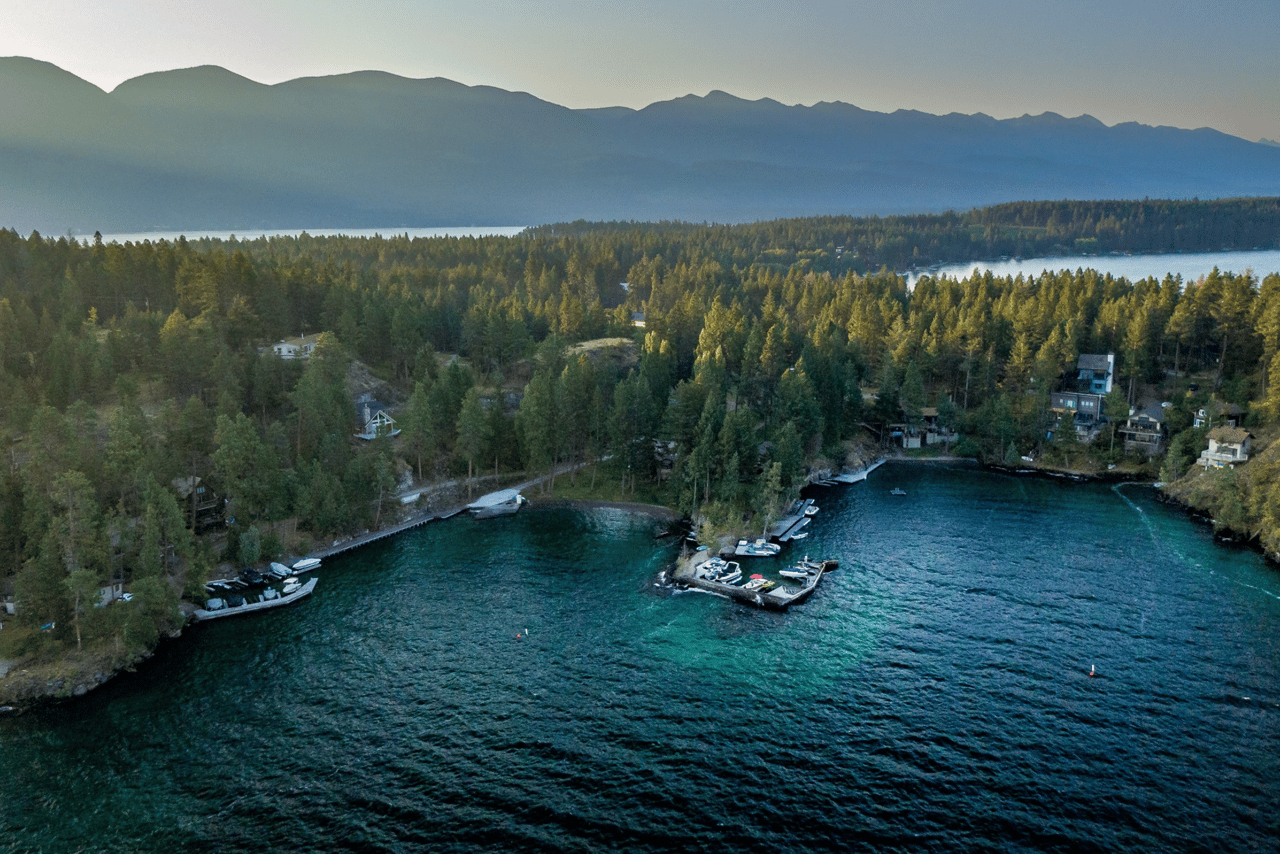
Bigfork sits on Bigfork Bay at Flathead Lake and offers a strong village-to-water feel. The public dock is right in downtown, Wayfarers State Park is just south of the village, and the local trail network connects the Swan River, the north shore, and other recreation areas.
That said, not all shoreline access is public. Local guides note that much of the high-water-line area along the north shore is private property, and access to the Flathead Waterfowl Production Area can be seasonally restricted to protect nesting birds. If shoreline access matters to you, it is worth evaluating each property and nearby public access point closely.
Bigfork also appeals to buyers who want Flathead Lake living with Glacier National Park in the mix. According to the local chamber, the west entrance to Glacier is less than an hour away.
Polson sits at the south end of Flathead Lake on the Flathead Indian Reservation, with the Mission Mountains creating a dramatic backdrop. The city describes the setting as a natural amphitheater along the lake’s southern shore.
In daily life, Polson’s waterfront is especially practical and accessible. The city maintains 12 park areas, offers waterfront parks for swimming, fishing, and boating, and has more than 10 miles of walking and biking paths within city limits that connect to another 20 miles beyond town.
Sacajawea Park is right off Main Street, which makes the lake feel woven into everyday errands and routines. If you want frequent, in-town access to parks, paths, and waterfront recreation, Polson has a strong case.
Bigfork is widely known for its arts-forward and dining-focused identity. Local and state visitor sources describe it as known for fine art, fine dining, live theater, galleries, restaurants, and boutiques.
This is not just about one summer event. The Bigfork Center for the Performing Arts is a 435-seat venue, the Bigfork Summer Playhouse is a 450-seat repertory theater, and the Bigfork Art and Cultural Center helps anchor the village’s cultural life.
Seasonality matters here. Bigfork remains active in winter, but local materials make it clear that spring and summer bring a noticeable rise in seasonal business activity, visitors, and lake-centered energy.
Polson’s cultural scene is more community-event driven. Major examples include the Flathead Lake Festival of Arts at Sacajawea Park, the Courthouse Art Festival downtown, and the Flathead Cherry Festival on Main Street.
At the same time, Polson is framed as a working community tied to orchards, museums, farmers markets, and the broader commercial life of the Mission Valley. City and visitor materials also emphasize grocery options, medical services, shopping, lodging, and other practical needs alongside recreation and dining.
If you want a town where lake life and daily convenience sit side by side, Polson may feel easier to live in year-round. If you are drawn to a more curated village atmosphere with a stronger arts-and-theater identity, Bigfork may stand out.
For many buyers, this is where the choice becomes more concrete. The data show a meaningful difference in pricing between the two towns.
According to Census ACS figures, Bigfork’s median owner-occupied home value was $674,600, compared with $356,300 in Polson. Estimated monthly owner costs with a mortgage were $2,196 in Bigfork and $1,718 in Polson.
Current home-value indexes show the same general split. Zillow’s typical home value was $792,804 in Bigfork and $567,618 in Polson, with both markets relatively flat year over year but still far apart in price level.
Realtor.com market snapshots also reflect this gap. Bigfork’s median listing price was $1.0 million with 142 homes for sale, a 69-day median market time, and homes selling at about 85% of list price. In Polson’s 59860 ZIP code, the median listing price was $642,000, with 204 homes for sale, a 57-day median market time, and a 93% sale-to-list ratio.
Bigfork also shows a stronger owner-occupied profile in Census data, with a 79.7% owner-occupied housing rate compared with 54.6% in Polson. That does not define any one property type, but it does support the broader idea that Bigfork skews more premium and owner-oriented, while Polson offers a more mixed housing stock.
Bigfork may be a better fit if you want:
Bigfork often appeals to buyers who are looking for a polished lake-town atmosphere and are comfortable with a higher cost of entry. For some, that setting is exactly the point.
Polson may be a better fit if you want:
Polson often makes sense for buyers who want Flathead Lake access without leaning as heavily into the resort-village model. It can offer a more functional rhythm for full-time living.
Even when one town seems like the front-runner, it helps to compare the details property by property. A lake-area home can feel very different depending on access, location, and restrictions.
As you narrow your search, consider asking:
These questions can help you move beyond broad impressions and focus on what your daily life would actually feel like in each town.
If your priority is resort-village character first, Bigfork likely deserves a close look. If your priority is everyday town functionality first, Polson may be the stronger match.
Neither choice is one-size-fits-all. The right answer depends on how you want to live, how often you plan to use the lake, and what price point feels comfortable for your goals.
When you are comparing Flathead Lake towns from a distance or trying to sort through the details of a specific property, local context matters. If you want thoughtful guidance on Bigfork, Polson, or other Northwest Montana communities, connect with Crystal Ault to start your Montana road home.
Stay up to date on the latest real estate trends.
Get assistance in determining current property value, crafting a competitive offer, writing and negotiating a contract, and much more. Contact me today.